
Concord Mold Remediation
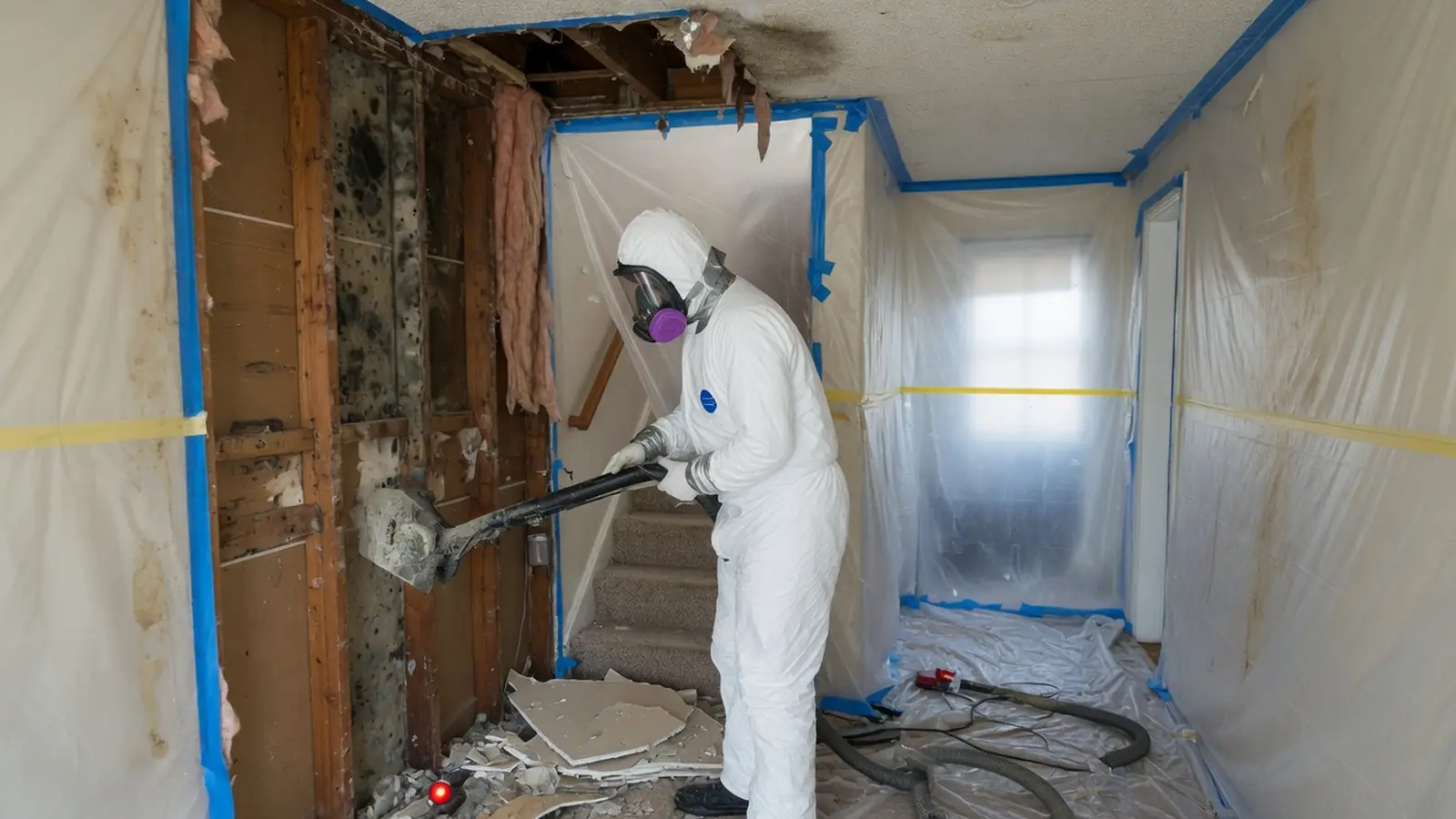
When indoor moisture triggers fungal colonies, prompt containment stops contamination from spreading throughout your property. True remediation requires establishing negative air pressure with HEPA filtration before tearing out contaminated drywall to prevent aerosolizing spores into living spaces. Our certified specialists identify hidden water sources and restore clean indoor air quality safely.
Phone (925) 555-0159 to have us look.
Dedicated Remediation Specialists
Across the region, 46,745 housing units are on record in the Census ACS 5-year estimates.
Because about 7% of housing units (3,164 of 46,745) were built since 2000, a substantial share of the local stock is still on its original systems.
From mid-century ranch homes near Cambridge Park and Ellis Lake to properties around Todos Santos Plaza, aging plumbing lines and older drainage systems create persistent moisture challenges.
Homeowners often describe how unresolved moisture trapped behind baseboards and drywall following plumbing leaks leads to hidden black mold growth and musty odors.
When unexpected pipe failures occur, property owners can schedule emergency water damage restoration across the region to protect their living environment.
Our certified technicians treat every home with systematic containment, technical precision, and complete structural respect.
Our Proven Remediation Protocol
A pattern echoed in public discussions is that undetected air handler condensate drain line clogs overflow for weeks, saturating subflooring and promoting heavy mold colonies. Our comprehensive mitigation approach identifies the primary moisture source, including resolving standing crawl space water under subflooring, before executing physical contamination extraction.
- Moisture Mapping And Inspection. We inspect wall cavities, crawl spaces, and ceilings with thermal cameras and moisture meters to locate active leaks and trace spore spread.
- Containment And Air Scrubbing. Crews seal off contaminated rooms using heavy plastic barriers and commercial air scrubbers to trap airborne particulates.
- Material Removal And Cleaning. Surface bleach application fails on porous building materials because it does not penetrate deep wood fibers, leaving embedded mycelial roots to regenerate once moisture returns. We physically remove unsalvageable drywall and wire-brush framing under negative pressure.
- Antimicrobial Treatment And Drying. Technicians apply hospital-grade antimicrobials to structural framing and run industrial dehumidifiers until moisture content matches dry baseline standards.
Root Cause Elimination Guarantee
We never just clean surface discoloration and walk away. During heavy winter weather, storm-driven wind and rain penetrate damaged roof flashing, saturating attic sheetrock and causing ceilings to sag and drip. Homeowners also report that high summer humidity entering foundation vents fosters widespread surface mold growth across wooden floor joists. We work methodically to mitigate seasonal storm damage before framing rots, ensuring underlying moisture dynamics are corrected so fungal colonies never return.
Attic And Ceiling Mold Remediation
We isolate attic spaces, remove water-logged insulation, and treat roof framing affected by storm intrusion and roof leaks.
Crawl Space And Joist Decontamination
Our team cleans wood joists, removes damp soil vapor, and installs moisture barriers to eliminate crawl space mustiness.
Drywall And Cavity Removal
We safely take out compromised sheetrock under negative air pressure, sanitizing internal stud cavities before reconstruction.
Our Approach To Structural Safety
Every remediation project follows rigorous environmental standards to ensure living areas remain safe and contamination is completely removed.
- 10Zip Codes Served
- 5Service Areas
- 3Services Offered
Local property owners rely on our crew when sudden water intrusion creates persistent indoor fungal growth. Here is what homeowners say about our containment standards, communication, and thorough cleanup.
“While pulling out our water-damaged bathroom wall, the crew discovered rot spreading deep into the floor plate behind the tub. Instead of panicking or stalling, they immediately set up negative air scrubbers and walked us through the exact plan to stabilize the framing. Their calm professionalism turned a stressful discovery into an easy fix.”
Marcus B.
“We had our final buyer inspection scheduled in four days when our realtor noticed a dark mold patch in the attic. The team rearranged their schedule to contain the area and scrubbed the framing so thoroughly that the inspector signed off without a single issue. They saved our escrow and kept our closing date right on track.”
Elena R.
“A prior handyman just sprayed surface bleach on our laundry room drywall and told us the issue was handled, but the smell returned within weeks. This company came in, showed us the embedded roots in the wood studs, and properly sealed the room while removing all tainted material. The difference in air quality was immediate and the odor is finally completely gone.”
Devon T.
“Every other contractor gave us vague ballparks that left room for endless add-on fees once the walls were open. The crew wrote up a comprehensive, line-item estimate on day one and stuck to that exact figure all the way to final clearance. Knowing the exact cost before demolition began gave my family complete peace of mind.”
Hannah K.
Frequently Asked Questions
When is post-remediation clearance air testing required to confirm mold spore levels have returned to normal background baselines?
Clearance testing is required after structural drying and containment to verify indoor fungal spore counts match outdoor background baselines. An independent third-party environmental hygienist draws air samples inside the containment zone and compares them against outdoor reference samples before barriers are taken down.
Why is surface bleach ineffective for removing mold from wood framing?
Bleach cannot penetrate deep porous wood fibers, leaving embedded mycelial roots alive to quickly regrow as soon as ambient moisture returns. Because bleach is mostly water, the chlorine remains on the surface while moisture soaks into the timber, often accelerating future fungal colonies.
How long does a professional remediation project typically take?
Most structural remediation jobs require one to three days to isolate the zone, extract contaminated sheetrock, and complete air scrubbing. Complex situations involving extensive subfloor rot or widespread attic contamination may require additional drying time before clearance testing occurs.
Do I need to leave my home during the containment and removal process?
You can generally stay in your home if the affected area is small, isolated behind plastic containment, and kept under negative air pressure. If the HVAC system is contaminated or the only operational bathroom is within the work zone, temporary relocation is recommended for comfort.
What causes recurring crawl space mold beneath subflooring?
Warm outdoor air entering foundation vents condenses against cool joists, creating elevated moisture that sustains active fungal colonies. Fixing crawl space growth requires managing relative humidity, sealing unconditioned air leaks, and installing high-performance vapor barriers.